
The Island That Wears Many Faces
Mauritius is the kind of place that leaves travelers fumbling for the right words. “Paradise” feels too simple. “Tropical haven” doesn’t capture its layered history. And “beach escape” barely scratches the surface. Floating in the Indian Ocean, about 2,000 kilometers off the coast of Africa, this island nation is a cocktail of powdery beaches, emerald mountains, cascading waterfalls, and cultural fusion that feels like a living postcard.
Known for its turquoise lagoons and luxury resorts, Mauritius is also a melting pot where Indian, African, Chinese, and French influences blend into a unique rhythm. Here, Sega music drifts over white sands, markets spill over with spices, and sugarcane fields sway under the sun, all while the ocean whispers just a few steps away.
A Brief History – How Cultures Collided to Create a Nation
Mauritius was uninhabited until the Arabs discovered it around the 10th century. The Portuguese visited in the 16th century but didn’t settle. The Dutch were the first to colonize in 1638, introducing sugarcane and deer before abandoning the island. The French arrived in 1715, naming it “Isle de France,” and established a thriving colony.
In 1810, the British took control, and under their rule, Mauritius saw a massive influx of indentured laborers from India to work in sugarcane plantations. This migration shaped the island’s modern demographics and culture. Mauritius gained independence in 1968, becoming a republic in 1992.
Today, the country is celebrated for its political stability, strong economy, and harmonious multicultural society.
Geography – Nature’s Work of Art
Mauritius covers just over 2,000 square kilometers, but its diversity is staggering.
- Beaches & Lagoons: Coral reefs encircle most of the island, protecting its calm lagoons.
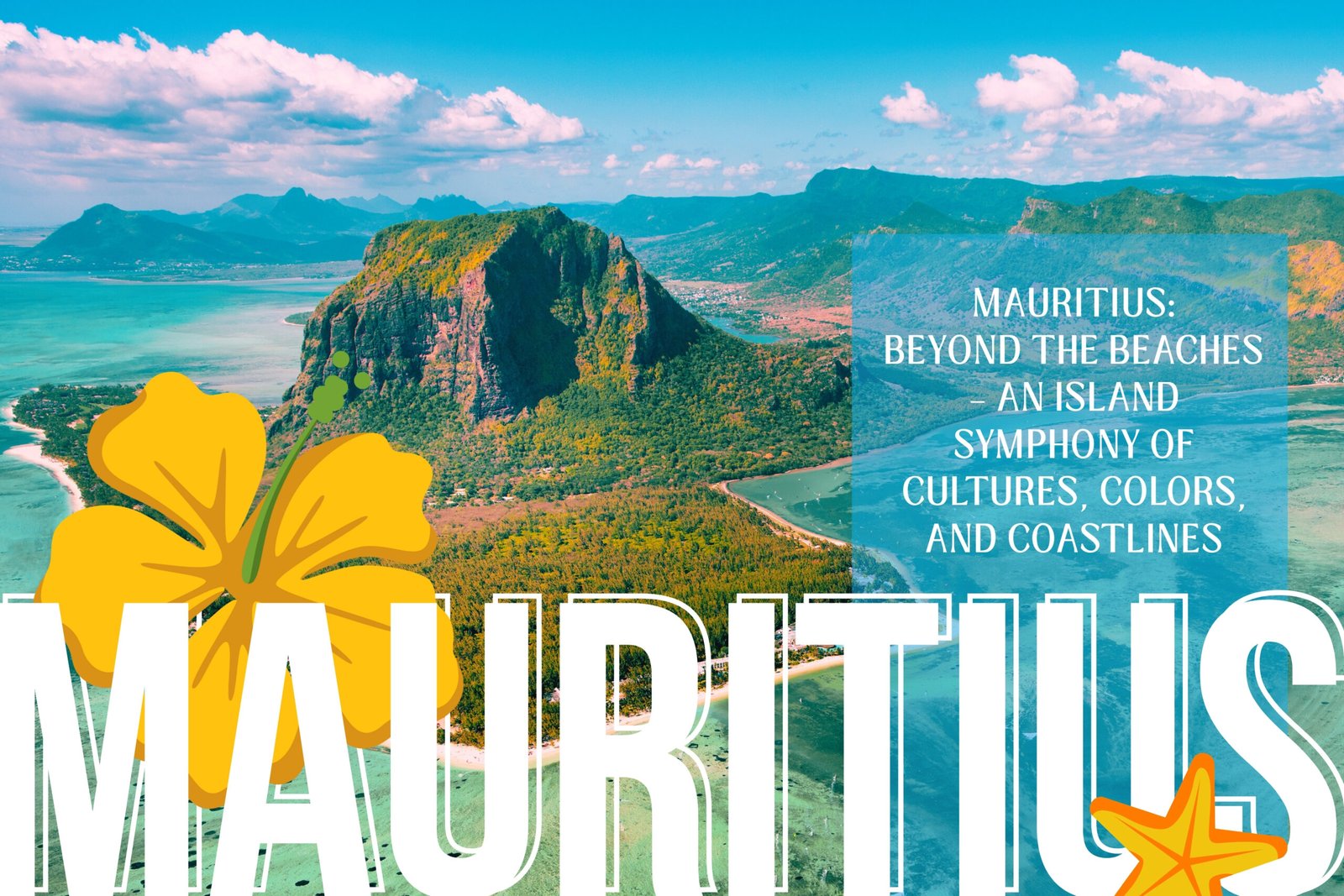
- Mountains: Remnants of volcanic origins, such as Le Morne Brabant, a UNESCO World Heritage Site.
- Forests & Parks: Black River Gorges National Park shelters rare species like the Mauritius kestrel and pink pigeon.
- Offshore Islets: Île aux Cerfs, Île aux Benitiers, and Flat Island offer day-trip escapes.
Why Mauritius Captures Hearts
1. Beaches That Feel Like Private Dreams
Trou aux Biches, Belle Mare, Flic-en-Flac, and Mont Choisy are famous for their white sands and clear waters. Many beaches remain uncrowded, even in peak season.
2. The Cultural Mosaic
From Hindu temples to French colonial mansions, Mauritian culture is an intricate weave of traditions. You can find Chinese dim sum for breakfast, an Indian curry for lunch, and a French-inspired dessert for dinner.
3. Adventure for Every Traveler
Whether you’re into kite surfing in Le Morne, hiking in Chamarel, or diving among coral gardens, Mauritius packs adrenaline and beauty in equal measure.
4. Warm, Genuine Hospitality
Mauritians are famously friendly, welcoming visitors with smiles and curiosity. Conversations often end with a heartfelt “Come back soon.”
Culture & Cuisine – A Feast for the Senses
Mauritius is a masterclass in cultural coexistence.
- Language: English is the official language, but French and Mauritian Creole are widely spoken.
- Festivals:
- Cavadee – A Tamil celebration involving fasting, colorful processions, and rituals.
- Divali – The Hindu Festival of Lights transforms streets into glowing fairylands.
- Chinese New Year – Marked with lion dances and firecrackers.
- Music & Dance: Sega, a rhythmic, foot-tapping dance born from African slave traditions, is performed in bright skirts and to the beat of the ravanne drum.
Food Highlights:
Mauritian cuisine is comfort food for the soul:
- Dholl Puri: A thin bread filled with split peas, often served with curry.
- Fish Vindaye: A tangy, turmeric-based fish dish.
- Gateaux Piments: Spicy lentil fritters.
- Alouda: A sweet, milky drink with basil seeds.
Street food is a must-try, especially in markets like Port Louis’ Central Market or Mahébourg’s Monday market.
Top Experiences in Mauritius
1. Explore Port Louis
The capital city is a vibrant blend of history and commerce. Visit the Caudan Waterfront for shopping, the Blue Penny Museum for postal history, and Chinatown for unique eats.
2. Le Morne Brabant
A UNESCO-listed mountain and symbol of freedom, once a refuge for escaped slaves. Hiking to the summit offers panoramic views of the island and turquoise lagoons.
3. Chamarel Seven-Colored Earths
A natural phenomenon where sand dunes display different colors due to mineral content. Nearby, you’ll find Chamarel Falls plunging 100 meters into the jungle.
4. Île aux Cerfs
A paradise for water sports and relaxation, with palm-lined beaches and crystal-clear lagoons.
5. Black River Gorges National Park
A hiker’s dream, home to lush rainforests, exotic birds, and waterfalls.
6. Pamplemousses Botanical Garden
One of the oldest botanical gardens in the Southern Hemisphere, known for its giant water lilies and rare plants.
Marine Life & Water Adventures
The surrounding Indian Ocean is a diver’s playground. Coral reefs are teeming with life — from clownfish and moray eels to dolphins and sea turtles. Popular dive spots include Cathedral (for dramatic rock formations) and Coin de Mire.
You can also enjoy:
- Kite Surfing: Le Morne is one of the world’s top spots.
- Deep-Sea Fishing: For marlin, tuna, and barracuda.
- Catamaran Cruises: Sail to offshore islets with BBQ lunches onboard.
Best Time to Visit
Mauritius has a tropical climate:
- May to December: Cool, dry, sunny, perfect for beach holidays.
- January to April: Warmer and more humid, with occasional cyclones.
For diving, visibility is best from October to December. For kite surfing, visit between June and September.
Sustainability in Mauritius
Like many island nations, Mauritius faces environmental challenges such as coral bleaching and coastal erosion. The government and eco-resorts are promoting:
- Coral reef restoration programs.
- Sustainable fishing regulations.
- Eco-friendly resorts like Lakaz Chamarel and SALT of Palmar focus on local sourcing and minimal waste.
Travel Tips for First-Time Visitors
- Currency: Mauritian Rupee (MUR).
- Transportation: Renting a car gives flexibility, but taxis and buses are reliable.
- Cultural Respect: Dress modestly when visiting temples or local villages.
- Safety: Mauritius is generally safe, but standard travel precautions apply.
- Tipping: Not mandatory, but appreciated in restaurants and for tour guides.
A Day in Mauritius – The Perfect Itinerary
- Morning: Watch the sunrise at Belle Mare Beach, then enjoy a hearty Mauritian breakfast with dholl puri and masala tea.
- Late Morning: Take a catamaran cruise to Île aux Cerfs for snorkeling and beach time.
- Afternoon: Visit Chamarel for the Seven-Colored Earths and waterfalls.
- Evening: Enjoy a Sega dance performance while dining on fresh seafood by the beach.
- Night: Stroll under the stars, feeling the warm ocean breeze.
Why Mauritius Leaves a Lasting Mark
Mauritius is not just about the picture-perfect beaches; it’s about the way life slows down, how the air smells faintly of spices and salt, and how cultures coexist in harmony. It’s the fisherman mending his nets by the shore, the laughter of market vendors, the colors of a sari fluttering against the backdrop of a sugarcane field.
You come for the beaches, yes. But you leave with the memory of flavors, music, and smiles that stay long after your tan fades. In Mauritius, beauty isn’t just seen, it’s felt.




 USA
USA Pune
Pune