
Phuket Unveiled: Thailand’s Tropical Paradise Where Culture Meets Coastline
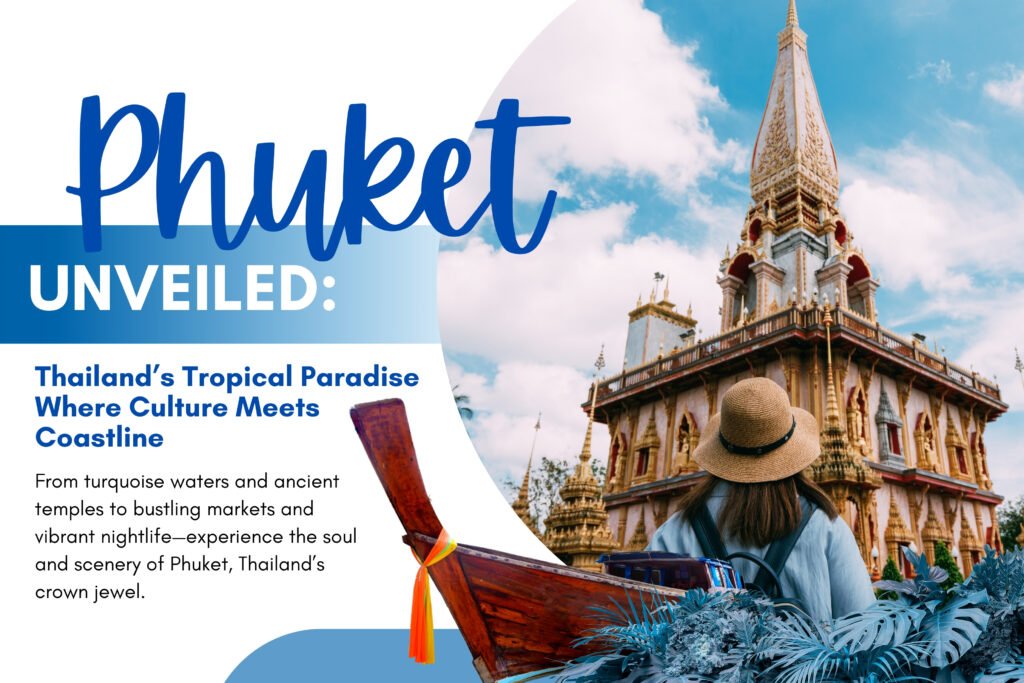
From turquoise waters and ancient temples to bustling markets and vibrant nightlife, experience the soul and scenery of Phuket, Thailand’s crown jewel. Welcome to Phuket Nestled in the Andaman Sea, Phuket is Thailand’s largest island and one of Southeast Asia’s most coveted travel destinations. Known for its azure beaches, lush rainforests, and rich cultural tapestry, Phuket offers more than just a beach holiday; it’s a sensory journey that blends natural beauty, Thai tradition, and cosmopolitan charm. Whether you’re an adventurer, foodie, culture buff, or relaxation seeker, Phuket has something to enthrall every traveler. A Glimpse into History: From Trade Port to Tourist Haven Phuket’s strategic location has made it a melting pot of cultures for centuries. Once a vital port on the trading route between India and China, it welcomed Portuguese, Dutch, French, and British merchants. The island’s old-world charm is still visible in its capital, Phuket Old Town, with colonial mansions, Chinese shophouses, and quaint cafes lining colorful streets. A notable event in Phuket’s history is the 1785 Burmese invasion, where two local heroines, Thao Thep Kasattri and Thao Sri Sunthon, led a successful defense. Today, their bravery is commemorated with a monument near Thalang. The Beaches: Paradise Found Phuket is synonymous with beaches. Each coastline offers a distinct flavor, whether you’re chasing tranquility, parties, or family-friendly fun. Patong Beach The most famous of them all, Patong, is Phuket’s entertainment hub. Its bustling beachfront is perfect for sunbathing by day and transforms into a neon-lit party zone by night. Bangla Road, the epicenter of nightlife, is lined with clubs, bars, and street performers. Kata and Karon Beaches For a quieter escape, head to Kata or Karon Beach. These sandy stretches are great for surfing, swimming, and watching glorious sunsets. Families and honeymooners often prefer these shores for their laid-back vibe. Freedom and Paradise Beaches Tucked away from the crowds, these hidden gems are accessible by boat or a short hike. Surrounded by lush greenery and calm waters, they’re ideal for romantic picnics or snorkeling adventures. Island-Hopping Adventures Phuket is the gateway to numerous exotic islands. A day trip can take you to: Island tours typically include kayaking through sea caves, snorkeling in turquoise lagoons, and feasting on Thai seafood onboard. Cultural Encounters: Temples, Towns & Traditions Phuket’s spiritual and cultural life adds depth to its natural splendor. Big Buddha Standing 45 meters tall atop Nakkerd Hill, the Big Buddha is a serene symbol of peace. The panoramic views from here offer a sweeping vista of the island. Wat Chalong As the largest and most revered temple in Phuket, Wat Chalong welcomes thousands of visitors annually. Intricately decorated and steeped in legend, it’s a place of worship and reflection. Phuket Old Town Stroll through this historic district and you’ll find Sino-Portuguese architecture, vibrant street art, and bustling markets. Don’t miss the Sunday Walking Street Market on Thalang Road for crafts, souvenirs, and delicious street food. Culinary Delights: A Feast for the Senses Thai cuisine is a major draw in Phuket, blending sweet, spicy, sour, and salty in every bite. Street Food Heaven Explore night markets like Chillva Market, Malin Plaza, or Phuket Indy Market, where you can indulge in: Seafood Galore Being an island, Phuket serves some of the freshest seafood imaginable. Visit local restaurants or beachfront shacks for grilled prawns, spicy crab curry, and whole fried fish. Fine Dining with a View For upscale experiences, try Blue Elephant, Suay Restaurant, or Ka Jok See, which blend Thai flavors with modern gastronomy in beautiful settings. Wellness and Relaxation: Spa, Yoga, and Healing Retreats After the thrill of exploration, unwind with Phuket’s world-renowned wellness offerings. Adventure & Nature: For the Thrill-Seekers Phuket isn’t just for leisure, it’s a hub for adrenaline junkies and nature lovers. Vibrant Nightlife: Beyond the Beaches Phuket offers a diverse nightlife scene that caters to every mood. Responsible Tourism: Supporting Local & Preserving Nature As Phuket grows in popularity, sustainability becomes vital. Travelers can: Practical Tips for Visiting Phuket Final Thoughts: Phuket’s Endless Allure Phuket is more than a tropical postcard; it’s a multifaceted destination that rewards curiosity, celebrates culture, and embraces every traveler with a warm Thai smile. Whether you’re diving into coral reefs, sampling spicy tom yum soup, marveling at ornate temples, or dancing under the stars, Phuket promises an unforgettable experience that lingers long after the tan fades. So pack your swimsuit and your sense of wonder, Phuket awaits.
Bhutan: The Hidden Kingdom of Happiness
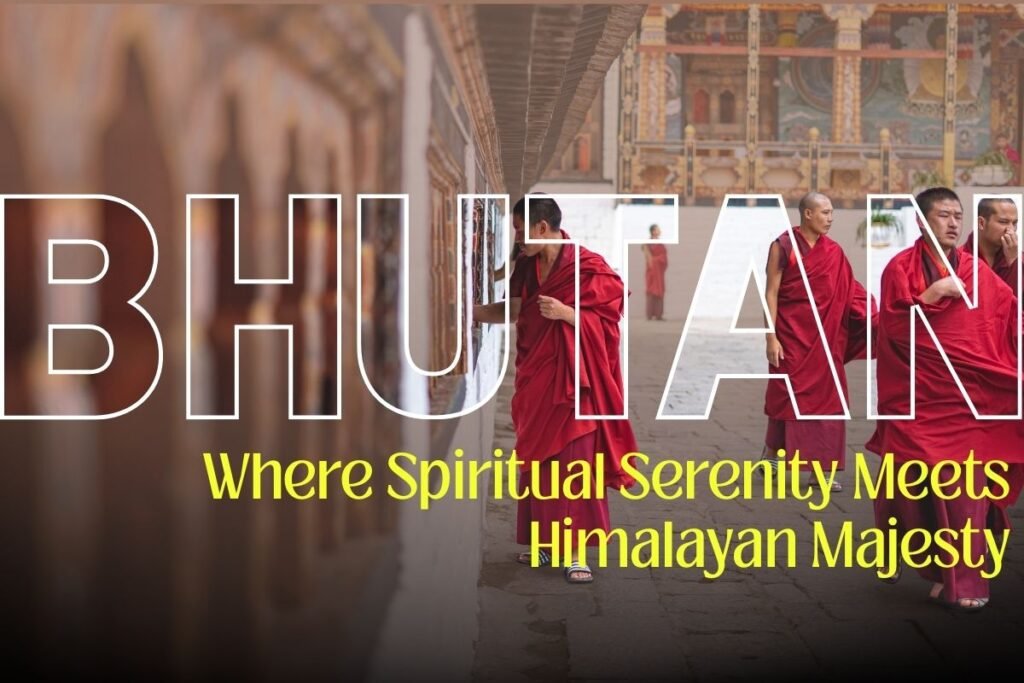
Where Spiritual Serenity Meets Himalayan Majesty A Kingdom in the Clouds: First Impressions of Bhutan Tucked away between two giants, India and China, lies a kingdom like no other: Bhutan, the last great Himalayan kingdom that measures wealth not by GDP, but by Gross National Happiness (GNH). With a population of less than a million, Bhutan is a pristine paradise where ancient monasteries cling to cliffs, forested valleys whisper legends, and traditional life still thrives untouched by mass tourism. The moment you step foot in Paro International Airport, surrounded by snow-capped peaks and prayer flags fluttering in the wind, you’re enveloped by a profound sense of calm. Bhutan doesn’t just offer a trip; it offers a transformational journey, both spiritual and scenic. Gross National Happiness: Bhutan’s Unique Philosophy Before diving into its mountains and monasteries, it’s essential to understand what makes Bhutan so extraordinary. The country is the only one in the world to prioritize happiness over economic growth, a concept introduced by the 4th King, Jigme Singye Wangchuck. Rather than rapid industrialization, Bhutan has carefully crafted a model of development that respects spiritual values, cultural preservation, environmental conservation, and good governance. You’ll see this in every village, every face, and every interaction; there’s a deep-rooted joy and dignity in the Bhutanese way of life. Thimphu: The Capital with No Traffic Lights Welcome to Thimphu, the capital city where tradition and modernity coexist in harmony. Don’t expect a bustling metropolis; instead, imagine a tranquil town nestled in the mountains with no traffic lights, only traffic policemen with choreographed hand movements. The city may have cafés and Wi-Fi, but its soul remains deeply spiritual. Places to visit in Thimphu: Thimphu is also home to craft markets, textile museums, and traditional paper-making factories, perfect for immersing yourself in Bhutanese arts and culture. Paro: Gateway to the Tiger’s Nest Just an hour’s drive from Thimphu is Paro, a picturesque valley town that encapsulates Bhutan’s spiritual essence. Paro is home to the Taktsang Monastery, more famously known as Tiger’s Nest. Perched on a cliffside at 10,240 feet above sea level, this sacred site is believed to be where Guru Rinpoche (Padmasambhava) meditated in the 8th century. The hike to Tiger’s Nest is a pilgrimage in itself. As you ascend the pine-scented trails, the monastery slowly reveals itself through clouds, an awe-inspiring sight that leaves even the most seasoned travelers breathless. Pro tips: Punakha: Land of Divine Blessings A few hours’ drive east from Thimphu over the Dochula Pass (offering panoramic views of the Eastern Himalayas) lies Punakha, the ancient capital of Bhutan and arguably the most photogenic valley. At the heart of Punakha is the Punakha Dzong, a masterpiece of Bhutanese architecture set at the confluence of the Mo Chhu and Pho Chhu rivers. Surrounded by jacaranda trees, the fortress looks like it’s floating during spring bloom. It’s here that Bhutanese royals marry and monks hold sacred rituals. Nearby, you can cross the longest suspension bridge in Bhutan and visit the Chimi Lhakhang, a fertility temple dedicated to the “Divine Madman,” Lama Drukpa Kunley, whose unorthodox teachings (and phallic symbols) are legendary. Bumthang: The Spiritual Heartland If you have more time, venture into the central valleys of Bumthang, considered the spiritual nucleus of Bhutan. This region is dotted with ancient monasteries and temples, many of which predate Buddhism’s arrival in Tibet. Notable highlights: Bumthang also offers more authentic homestay experiences, where you can live with a local family, try traditional farming, and sample homemade ara (Bhutanese rice wine). Bhutanese Cuisine: A Fiery Affair Bhutanese food is not for the faint-hearted. The cuisine is simple, hearty, and intensely spicy. Ema Datshi, Bhutan’s national dish made of chili peppers and cheese, is a must-try. It’s served with red rice and often accompanied by dishes like: Vegetarians need not worry, many meals are entirely plant-based. Be sure to try suja, the salty butter tea, and finish meals with a warming glass of ara. Festivals: Dancing with the Divine If your trip aligns with one of Bhutan’s many tshechus (religious festivals), consider yourself lucky. These vibrant celebrations, held in monasteries across the country, showcase mask dances, traditional music, and spiritual rituals that date back centuries. Top festivals include: These aren’t tourist shows; they are deeply sacred and attended by locals in their finest traditional wear. Participating in a tshechu is like witnessing a living museum of Bhutanese culture and devotion. Sustainable Travel: Bhutan’s Tourist Policy Bhutan isn’t a destination for budget backpackers. The country follows a “High Value, Low Impact” tourism policy, ensuring that tourism doesn’t dilute its traditions or damage its ecosystems. Travelers must book through licensed tour operators and pay a Sustainable Development Fee (SDF), which goes toward education, healthcare, and cultural preservation. What you get in return: Yes, Bhutan costs more, but it’s an investment in ethical, enriching travel. Nature’s Sanctuary: Flora, Fauna, and Forests Bhutan is one of the few countries in the world that is carbon negative. Over 70% of its land is covered in forest, and its commitment to environmental conservation is constitutional. Wildlife lovers may spot: Trekking options abound, from the Druk Path Trek to the Snowman Trek, considered one of the toughest in the world. Tips for Traveling to Bhutan Final Thoughts: Leaving with More Than Memories Bhutan is more than a place on the map; it’s a state of mind. In a world obsessed with speed and consumption, Bhutan teaches us the value of stillness, mindfulness, and community. Here, nature is sacred, kings walk among their people, and happiness is a shared national goal. As you leave the Land of the Thunder Dragon, you carry with you more than souvenirs; you carry a sense of peace, perspective, and the realization that the happiest places on Earth aren’t the most advanced, they’re the most authentic.
Mauritius: Beyond the Beaches – An Island Symphony of Cultures, Colors, and Coastlines
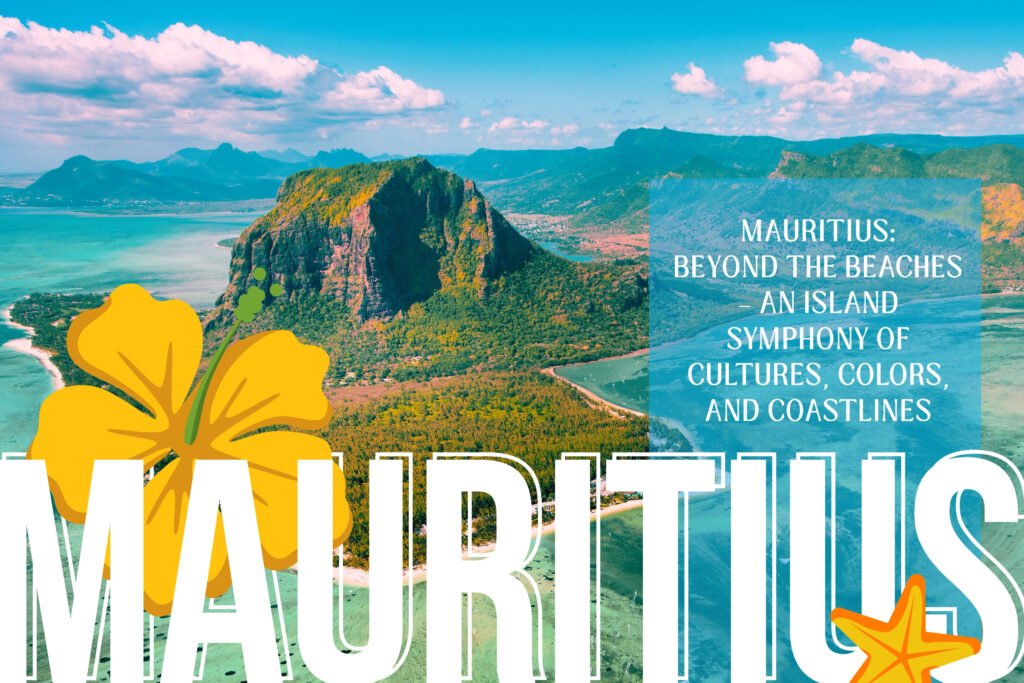
The Island That Wears Many Faces Mauritius is the kind of place that leaves travelers fumbling for the right words. “Paradise” feels too simple. “Tropical haven” doesn’t capture its layered history. And “beach escape” barely scratches the surface. Floating in the Indian Ocean, about 2,000 kilometers off the coast of Africa, this island nation is a cocktail of powdery beaches, emerald mountains, cascading waterfalls, and cultural fusion that feels like a living postcard. Known for its turquoise lagoons and luxury resorts, Mauritius is also a melting pot where Indian, African, Chinese, and French influences blend into a unique rhythm. Here, Sega music drifts over white sands, markets spill over with spices, and sugarcane fields sway under the sun, all while the ocean whispers just a few steps away. A Brief History – How Cultures Collided to Create a Nation Mauritius was uninhabited until the Arabs discovered it around the 10th century. The Portuguese visited in the 16th century but didn’t settle. The Dutch were the first to colonize in 1638, introducing sugarcane and deer before abandoning the island. The French arrived in 1715, naming it “Isle de France,” and established a thriving colony. In 1810, the British took control, and under their rule, Mauritius saw a massive influx of indentured laborers from India to work in sugarcane plantations. This migration shaped the island’s modern demographics and culture. Mauritius gained independence in 1968, becoming a republic in 1992. Today, the country is celebrated for its political stability, strong economy, and harmonious multicultural society. Geography – Nature’s Work of Art Mauritius covers just over 2,000 square kilometers, but its diversity is staggering. Why Mauritius Captures Hearts 1. Beaches That Feel Like Private Dreams Trou aux Biches, Belle Mare, Flic-en-Flac, and Mont Choisy are famous for their white sands and clear waters. Many beaches remain uncrowded, even in peak season. 2. The Cultural Mosaic From Hindu temples to French colonial mansions, Mauritian culture is an intricate weave of traditions. You can find Chinese dim sum for breakfast, an Indian curry for lunch, and a French-inspired dessert for dinner. 3. Adventure for Every Traveler Whether you’re into kite surfing in Le Morne, hiking in Chamarel, or diving among coral gardens, Mauritius packs adrenaline and beauty in equal measure. 4. Warm, Genuine Hospitality Mauritians are famously friendly, welcoming visitors with smiles and curiosity. Conversations often end with a heartfelt “Come back soon.” Culture & Cuisine – A Feast for the Senses Mauritius is a masterclass in cultural coexistence. Food Highlights:Mauritian cuisine is comfort food for the soul: Street food is a must-try, especially in markets like Port Louis’ Central Market or Mahébourg’s Monday market. Top Experiences in Mauritius 1. Explore Port Louis The capital city is a vibrant blend of history and commerce. Visit the Caudan Waterfront for shopping, the Blue Penny Museum for postal history, and Chinatown for unique eats. 2. Le Morne Brabant A UNESCO-listed mountain and symbol of freedom, once a refuge for escaped slaves. Hiking to the summit offers panoramic views of the island and turquoise lagoons. 3. Chamarel Seven-Colored Earths A natural phenomenon where sand dunes display different colors due to mineral content. Nearby, you’ll find Chamarel Falls plunging 100 meters into the jungle. 4. Île aux Cerfs A paradise for water sports and relaxation, with palm-lined beaches and crystal-clear lagoons. 5. Black River Gorges National Park A hiker’s dream, home to lush rainforests, exotic birds, and waterfalls. 6. Pamplemousses Botanical Garden One of the oldest botanical gardens in the Southern Hemisphere, known for its giant water lilies and rare plants. Marine Life & Water Adventures The surrounding Indian Ocean is a diver’s playground. Coral reefs are teeming with life — from clownfish and moray eels to dolphins and sea turtles. Popular dive spots include Cathedral (for dramatic rock formations) and Coin de Mire. You can also enjoy: Best Time to Visit Mauritius has a tropical climate: For diving, visibility is best from October to December. For kite surfing, visit between June and September. Sustainability in Mauritius Like many island nations, Mauritius faces environmental challenges such as coral bleaching and coastal erosion. The government and eco-resorts are promoting: Travel Tips for First-Time Visitors A Day in Mauritius – The Perfect Itinerary Why Mauritius Leaves a Lasting Mark Mauritius is not just about the picture-perfect beaches; it’s about the way life slows down, how the air smells faintly of spices and salt, and how cultures coexist in harmony. It’s the fisherman mending his nets by the shore, the laughter of market vendors, the colors of a sari fluttering against the backdrop of a sugarcane field. You come for the beaches, yes. But you leave with the memory of flavors, music, and smiles that stay long after your tan fades. In Mauritius, beauty isn’t just seen, it’s felt.
Cappadocia Chronicles: Where Earth Meets Sky in a Dreamlike Dance
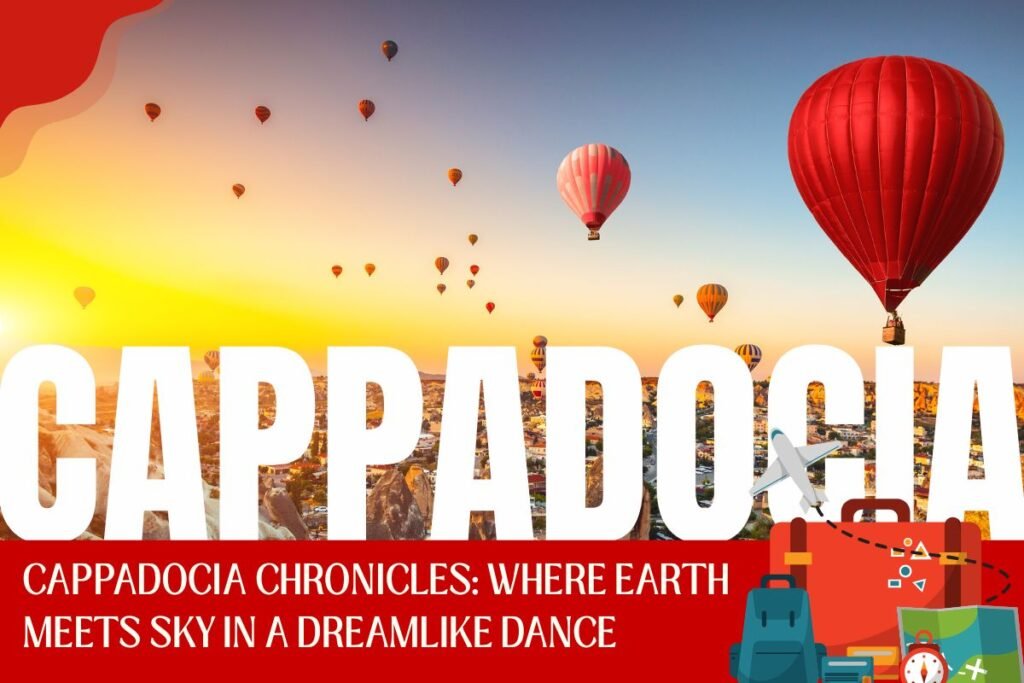
Drift Above Fairy Chimneys, Walk Through Ancient Valleys, and Discover the Timeless Magic of Turkey’s Surreal Heartland If there’s one place on Earth that seems crafted straight from a fantasy novel, it’s Cappadocia. Tucked in the heart of central Turkey, this region is a geological marvel and a cultural time capsule. Known for its surreal “fairy chimneys,” hot air balloon-dotted skies, and underground cities carved by early Christians, Cappadocia is more than a destination; it’s an experience that transcends time and space. This travel upshot takes you through the floating magic, historical depth, and rugged beauty of Cappadocia, uncovering why this otherworldly region should be at the top of your travel bucket list. 1. Sunrise Magic: Up, Up and Away in a Hot Air Balloon No visit to Cappadocia is complete without drifting silently above the region’s alien-like terrain in a hot air balloon. As the sun paints the valleys in golden hues, you float among dozens of colorful balloons, a surreal and serene spectacle that turns even the most grounded traveler into a dreamer. Ballooning Basics Whether you’re proposing mid-air or snapping the perfect Instagram shot, this moment is the heart of Cappadocia’s allure. 2. Fairy Chimneys and Moon-like Landscapes Cappadocia’s topography is the stuff of legends, literally. Formed over millions of years by volcanic eruptions, erosion, and time, the region’s bizarre rock formations look like they belong on another planet. Göreme National Park A UNESCO World Heritage site, this open-air museum showcases churches, chapels, and monasteries carved directly into soft rock. Marvel at 10th-century frescoes that have stood the test of time in places like the Dark Church (Karanlık Kilise). Love Valley, Rose Valley, and Devrent Valley Each valley offers a different shade of Cappadocia’s landscape. Love Valley is known for its humorous phallic formations, Rose Valley glows with pink hues at sunset, and Devrent Valley (Imagination Valley) has rocks shaped like animals and mythical creatures. Uçhisar Castle This natural rock fortress is the highest point in Cappadocia, offering panoramic views of the surrounding valleys, especially beautiful at dusk. 3. Beneath the Surface: Cappadocia’s Underground Cities Cappadocia’s most astonishing feature might not be above ground, but below it. Hidden beneath its surface are intricate underground cities that once sheltered thousands from invasions and persecution. Derinkuyu and Kaymakli These are the most famous subterranean cities, vast complexes of tunnels, chambers, ventilation shafts, and wells extending up to 18 levels underground. Used by early Christians to escape Roman persecution, they include everything from wine cellars to churches. Tips for Visitors 4. Stay in a Cave: Boutique Hotels That Blend History and Luxury Why settle for a standard hotel when you can sleep in a cave? Cappadocia is famous for its cave hotels, unique accommodations carved into ancient rock formations. Top Cave Hotel Picks Many offer Turkish breakfast buffets, stone-wall ambiance, and terraces perfect for stargazing or watching balloons float by. 5. Culture, Cuisine, and Cappadocian Charm Cappadocia offers more than stunning sights; it’s a cultural mosaic of Anatolian traditions, artisan crafts, and soul-warming cuisine. Pottery in Avanos The town of Avanos, nestled along the Kızılırmak River, is famed for its red clay pottery. Visit traditional workshops where artisans demonstrate spinning clay using foot-powered wheels, a technique passed down since Hittite times. Turkish Night Shows For an immersive cultural experience, attend a Turkish Night featuring belly dancing, folk music, whirling dervishes, and unlimited local wine or raki. These performances, often held in cave venues, give a deeper look into Anatolian traditions. Don’t Miss These Foods 6. Hiking Through History: Trails of Tranquility Cappadocia is a hiker’s paradise, offering trails that meander through valleys, past cave churches, and ancient dwellings, all without the crowds of typical tourist spots. Ihlara Valley This lush canyon follows the Melendiz River and is dotted with over 100 rock-carved churches. The 14 km hike is filled with shade, waterfalls, and picnic spots. Pigeon Valley Named after its thousands of dovecotes carved into rocks, this scenic trail connects Göreme and Uçhisar and offers views of strange rock towers and friendly pigeons. Zemi and Red Valley Trails These lesser-known paths take you through tunnel-like rock formations, hidden churches, and viewpoints perfect for catching sunset or solitude. 7. Best Time to Visit: Chasing Balloons and Blossoms Cappadocia can be visited year-round, but each season offers a unique charm. 8. Getting There and Getting Around Cappadocia is remote but accessible with a little planning. Getting There Getting Around 9. Final Reflections: Why Cappadocia Captivates Cappadocia is more than picturesque landscapes; it’s a sacred encounter with nature, history, and humanity. Whether you’re wandering through a quiet valley, sipping Turkish tea on a cave terrace, or watching the sun rise from 2,000 feet above the Earth, this destination reaches into your soul and stays there. It’s a place where ancient rock formations whisper stories of faith, freedom, and endurance. A region where modern luxuries blend effortlessly with ancient simplicity. And most of all, it’s a place where the horizon always holds something new to discover, whether in the skies above or the tunnels below. Traveler’s Tips: Cappadocia isn’t just a destination. It’s a journey into the extraordinary, and the invitation is always open.
Thailand Unveiled: Temples, Tastes, and Tropical Escapes in the Land of Smiles
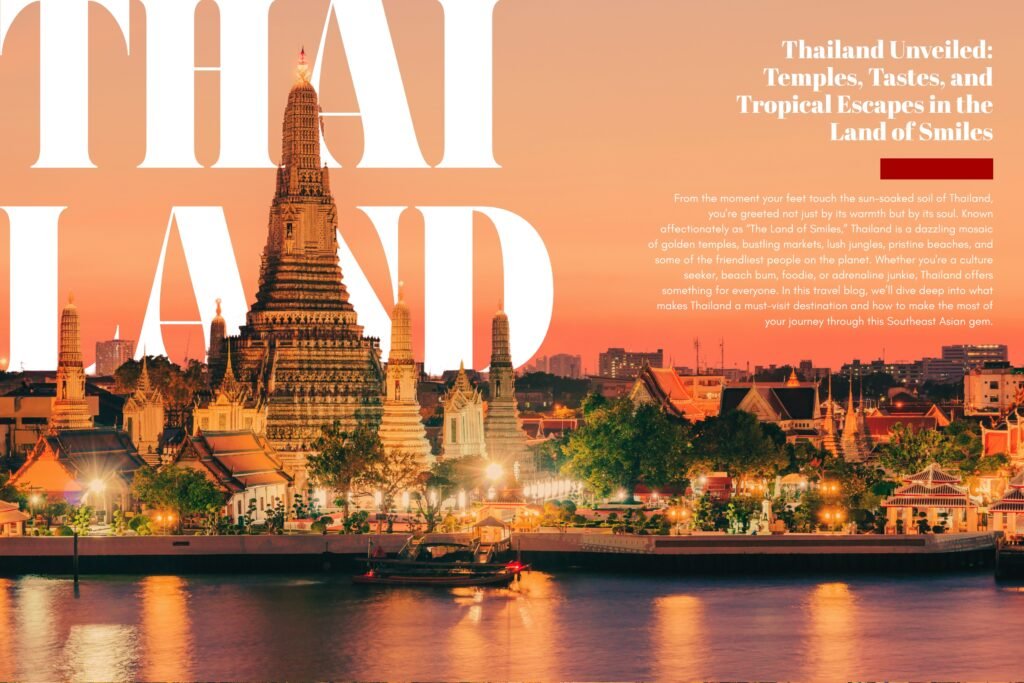
From the moment your feet touch the sun-soaked soil of Thailand, you’re greeted not just by its warmth but by its soul. Known affectionately as “The Land of Smiles,” Thailand is a dazzling mosaic of golden temples, bustling markets, lush jungles, pristine beaches, and some of the friendliest people on the planet. Whether you’re a culture seeker, beach bum, foodie, or adrenaline junkie, Thailand offers something for everyone. In this travel blog, we’ll dive deep into what makes Thailand a must-visit destination and how to make the most of your journey through this Southeast Asian gem. Bangkok: The Pulsing Heart of Thailand Your Thai adventure will likely begin in Bangkok, the vibrant, chaotic, and captivating capital of Thailand. A city where tradition meets innovation, Bangkok is a place of paradox, ancient temples nestled between towering skyscrapers, serene canals flowing beside traffic-jammed highways, and street vendors selling $1 meals just outside luxury malls. Must-visit attractions: Tip: Skip the traffic and explore Bangkok’s extensive canal systems on a traditional longtail boat; it’s a charming and breezy way to see the city. The Spiritual North: Chiang Mai & Chiang Rai In contrast to the electric energy of Bangkok, northern Thailand is more meditative and mystical. Chiang Mai, the largest city in the north, is a cultural haven surrounded by misty mountains and ancient temples. Highlights in Chiang Mai: Head further north to Chiang Rai, home of the surreal White Temple (Wat Rong Khun). Its gleaming, all-white exterior adorned with mirrored glass shards makes it one of the most unique temples in the world. Thai Cuisine: A Culinary Symphony Thai food isn’t just a meal, it’s an experience. Balancing sweet, sour, salty, spicy, and umami, Thai cuisine is complex yet comforting. Must-try dishes: Street food culture is a central part of daily life in Thailand. From skewered meats to coconut pancakes, the sidewalk becomes a culinary adventure. Islands & Beaches: Paradise Found Thailand’s coastline is studded with islands that offer some of the world’s most picturesque beaches, ideal for diving, snorkeling, kayaking, or simply soaking up the sun. Top beach destinations: Pro tip: Visit between November to March for ideal beach weather. Adventure & Nature Thailand is a playground for adventure lovers. From treetop ziplining to scuba diving with whale sharks, adrenaline awaits around every bend. Adventure ideas: Thai Culture: A Deep Spirituality Thailand’s deeply spiritual culture is rooted in Theravada Buddhism, influencing everything from architecture to etiquette. Cultural notes: Festivals like Loy Krathong (festival of lights) and Songkran (Thai New Year water fight) allow you to immerse yourself in age-old traditions with a modern twist. Wellness & Spiritual Retreats Thailand has become a global hub for wellness tourism. From beachfront yoga classes to detox retreats in the jungle, healing is a central theme. Wellness hotspots: Thai massage, known for its blend of acupressure and assisted yoga, is both therapeutic and invigorating. Don’t leave without experiencing it at least once. Nightlife & Entertainment Thailand’s nightlife ranges from pulsating clubs in Bangkok to beach raves on the islands. Bangkok: Islands: Sustainability & Responsible Tourism With its rising popularity, Thailand faces challenges related to over-tourism. But you can be a conscious traveler by: Tourism can be a force for good when done right. Planning Your Trip Best time to visit: Currency: Thai Baht (THB)Language: Thai (but English is widely understood in tourist areas)Visa: Many nationalities get a visa-free entry for 30 days; check before you fly.Getting around: Domestic flights, trains, tuk-tuks, and Grab (ride-hailing app) make travel smooth. Final Thoughts: Why You’ll Fall in Love with Thailand Thailand doesn’t just capture your attention, it captures your heart. It’s the kind of place where strangers become friends, flavors become memories, and landscapes imprint themselves onto your soul. Whether you’re riding a scooter through jungle roads, meditating with monks at sunrise, or dancing barefoot on a beach under the full moon, Thailand teaches you to live fully, freely, and joyfully. So pack your bags, bring an open mind, and let Thailand unveil itself, one smile at a time.
Barcelona Unplugged: A Tapestry of Art, Flavor, and Mediterranean Soul
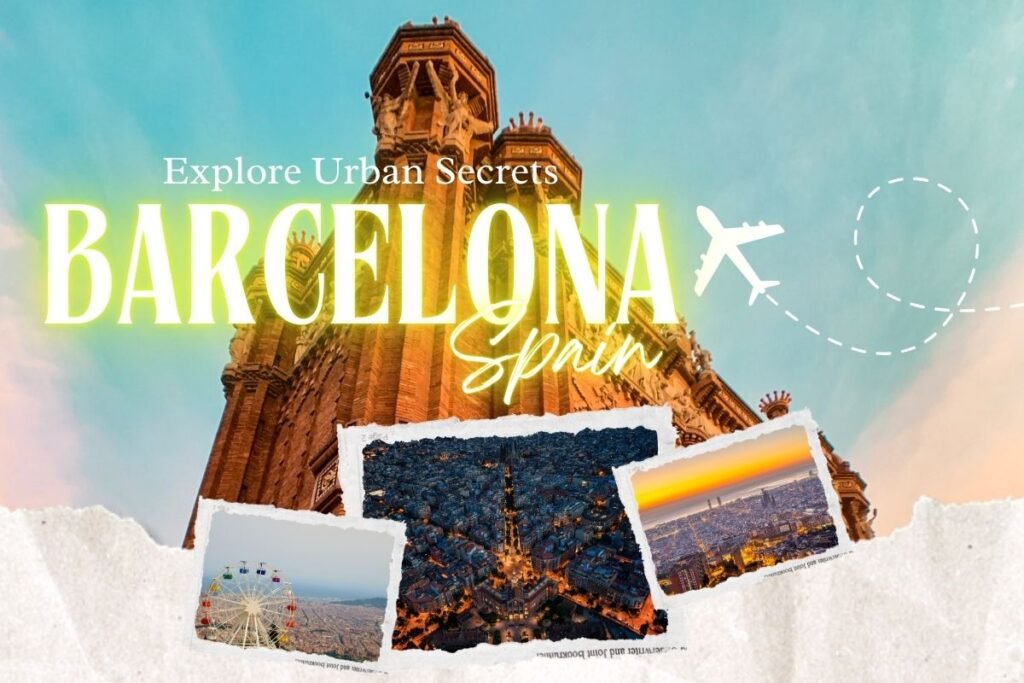
Where the City Sings with Every StepNestled between the shimmering Mediterranean Sea and the rolling hills of Catalonia, Barcelona isn’t just a destination, it’s a symphony. It’s a place where art spills onto the streets, food dances on your tongue, and architecture whispers tales of centuries past. Whether you’re a culture enthusiast, a foodie, a beach lover, or a casual wanderer, Barcelona delivers an experience that’s as vibrant as its sunsets over the cityscape. 1. A Walk Through Time: Gothic Alleys and Modern Marvels Start in Barri Gòtic, the city’s Gothic Quarter, where cobbled streets echo with the footsteps of Roman soldiers and medieval poets. Winding alleyways open into sunlit plazas, each with a story carved in stone. The Cathedral of Barcelona, adorned with its spires and gargoyles, stands as a testament to the city’s layered past. From the past to the future, cross into the realm of Antoni Gaudí, the genius architect who reshaped Barcelona’s skyline. His unfinished masterpiece, La Sagrada Família, is a vision of divine chaos, its intricate façades and towering spires constantly evolving. Gaudí’s touch also graces Casa Batlló, with its dragon-scale roof, and Park Güell, where mosaics and fairy-tale curves enchant visitors. 2. Savor the City: A Culinary Carnival Barcelona is a city you taste as much as you see. Morning starts with churros dipped in thick hot chocolate, especially at the old-school cafés tucked near La Rambla. The bustling La Boqueria Market is a riot of color, scent, and sound, juicy fruits, Iberico ham, fresh seafood, and gourmet cheeses all competing for your attention. When lunch calls, dive into tapas culture: crispy patatas bravas, creamy croquetas, spicy chorizo, and marinated anchovies. For a more Catalan twist, try pa amb tomàquet, rustic bread rubbed with tomato, olive oil, and salt. Pair it with a glass of local Cava, Spain’s sparkling wine, and you’re in culinary heaven. Seafood lovers should not miss paella by the beach in Barceloneta, where traditional flavors meet the sea breeze. And for dessert? A scoop of artisanal turrón gelato or crema catalana, the Spanish cousin of crème brûlée. 3. Art in Motion: From Picasso to Street Graffiti Art is not confined to galleries in Barcelona, it’s on walls, sidewalks, and even lamp posts. Still, the city’s museums are jewels in their own right. The Picasso Museum houses an extensive collection from the master’s early years, revealing his deep bond with the city. For contemporary art, MACBA (Museum of Contemporary Art) in El Raval challenges the norm with its cutting-edge exhibitions. Nearby, skateboards clatter in the plaza outside, turning the museum’s sleek façade into a stage for urban expression. Then there’s the street art, especially in El Raval and Poblenou, where murals blaze across abandoned buildings, abandoned lots transformed into open-air galleries. Here, Barcelona breathes its modern heartbeat, defiant and dynamic. 4. The Pulse of the Mediterranean: Sun, Sea, and Sangria Barcelona’s beaches stretch along the coast like a golden ribbon. Whether you seek the lively atmosphere of Barceloneta, the laid-back vibes of Bogatell, or the quieter shores of Ocata, the Mediterranean calls you with open arms. Day turns to evening with a glass of sangria by the shore, and as the sun dips below the horizon, the city adopts a new rhythm. Locals emerge for passeig, a leisurely evening stroll, while live music drifts from chiringuitos (beach bars), and the promenade pulses with rollerbladers, joggers, and sunset photographers. 5. Architectural Wonderland: Where Fantasy Meets Stone Nowhere else in the world does architecture feel quite so alive. Gaudí’s touch is unmistakable, but he’s not the only star. Palau de la Música Catalana, with its riotous stained-glass ceiling and ornate detailing, is a modernist gem worth touring or catching a concert in. Hospital de Sant Pau, a UNESCO World Heritage Site, surprises with its blend of beauty and history. Once a hospital, today it’s a wonderland of domes, mosaics, and gardens, a quiet retreat from the city’s bustle. Even functional spaces in Barcelona are artful. The Torre Glòries lights up like a psychedelic jellyfish at night, a modern counterpoint to the city’s historical heart. 6. Neighborhood Vibes: Local Life in Every Corner Each barrio in Barcelona tells a different story. In Gràcia, creativity blooms in quaint squares lined with cafes, and August brings the wild Festa Major, where streets compete for the most elaborate decorations. It’s a community spirit you can feel. El Born, meanwhile, blends history with hip. Medieval architecture houses indie boutiques, craft cocktail bars, and cozy bistros. Don’t miss the El Born Cultural Center, built over archaeological ruins that narrate the story of 18th-century Barcelona. Head up the hill to Montjuïc, where lush gardens, the Magic Fountain, and panoramic views from Castell de Montjuïc offer a refreshing escape. At night, the fountain’s light and music show is pure enchantment. 7. Festivals and Flamenco: Culture That Dances Barcelona doesn’t just preserve its culture, it celebrates it. Throughout the year, festivals light up the city. La Mercè, held in September, is the biggest party, featuring human towers (castells), fireworks, parades, and music across the city. While not originally from Catalonia, Flamenco finds a passionate home in Barcelona. Visit Tablao Cordobés on La Rambla or Palau Dalmases in El Born for intimate performances where the rhythm of guitar and the stomp of heels ignite the room. 8. Shop, Sip, and Soak It In Barcelona is a shopper’s delight, from high-end boutiques on Passeig de Gràcia to local artisan stalls in Els Encants Vells, one of Europe’s oldest flea markets. Design lovers will appreciate Vinçon, a design-forward store housed in a former mansion, or Chök, where gourmet donuts become edible art. When you need to pause, sip vermut (vermouth) at a terrace café, listen to the hum of scooters and laughter, and simply watch the city swirl around you. This is the Barcelona way, to feel life, not rush it. Conclusion: Barcelona in Your Bones Barcelona isn’t a place you merely visit. It’s a place that lingers with you. In the curve of
Maldives: The Jewel of the Indian Ocean – A Paradise Beyond Imagination
Where Dream Meets Reality Imagine stepping off a seaplane into a world where the air smells of salt and jasmine, the ocean is fifty shades of blue, and life flows at the pace of a gentle wave. That’s the Maldives, a place where reality seems Photoshopped and even the most seasoned travelers pause to catch their breath. Floating in the Indian Ocean southwest of Sri Lanka, this island nation is a chain of 26 atolls made up of over 1,000 coral islands, each with its unique charm. For some, it’s the ultimate honeymoon destination; for others, it’s a sanctuary for scuba diving, wellness retreats, or barefoot luxury. But beneath its postcard-perfect beauty lies a rich cultural heritage, fascinating marine biodiversity, and an environmental story that deserves the world’s attention. A Brief History – More Than Just an Island Escape The Maldives’ history is as captivating as its scenery. Its strategic location made it a crossroads for ancient trade routes, attracting influences from India, Sri Lanka, the Middle East, and even Africa. Archaeological evidence suggests human habitation dating back over 2,500 years. Buddhism shaped early Maldivian culture until the 12th century, when Islam was introduced and embraced by the local population. Today, the Maldives is the smallest Muslim country in both population and land area, but its traditions remain deeply embedded in everyday life. For centuries, Maldivians lived primarily as skilled fishermen and sailors. The coconut palm, tuna fishing, and boat-building were vital to survival, skills still honored in modern Maldivian culture. The Geography – Nature’s Masterpiece The Maldives is made up of natural atolls, ring-shaped reefs encircling lagoons, formed over millions of years from volcanic activity and coral growth. The turquoise waters are home to one of the richest marine ecosystems in the world. This geographical uniqueness brings both blessings and challenges. While it makes the Maldives an unmatched travel destination, it also puts it at the forefront of climate change risks. Why the Maldives Is a Traveler’s Dream 1. Beaches Straight Out of a Painting The Maldives has some of the softest, whitest sands on Earth, thanks to the coral-based composition. Walking barefoot here isn’t just comfortable, it’s therapeutic. 2. World-Class Diving and Snorkeling The underwater life is mesmerizing, from manta rays and reef sharks to rainbow-colored parrotfish and whale sharks. Notable dive sites include Banana Reef, Fish Head, and HP Reef, all teeming with marine life. 3. Overwater Villas and Luxury Resorts The concept of overwater bungalows, now copied worldwide, was perfected here. Resorts like Soneva Jani, Baros, and Conrad Maldives offer unmatched privacy and luxury. 4. The Glow of the Sea In Vaadhoo Island, the phenomenon of bioluminescent plankton turns the shoreline into a glowing galaxy of blue lights at night, a surreal, unforgettable sight. Culture and Local Life Step away from the private resort islands, and you’ll discover the warmth of Maldivian hospitality in inhabited islands like Maafushi, Dhigurah, and Hithadhoo. Adventure Awaits – Activities Beyond the Beach Scuba Diving & Snorkeling The Maldives has over 2,000 species of fish and 200 species of coral. Dive schools cater to both beginners and experts, with PADI-certified instructors. Island Hopping From luxury private islands to vibrant fishing villages, each island offers something new, whether it’s a spa retreat, cultural immersion, or pristine natural beauty. Water Sports Jet skiing, kite surfing, stand-up paddleboarding, and sailing are popular in the calm lagoons. Underwater Dining At the Conrad Maldives Rangali Island’s Ithaa Undersea Restaurant, you can enjoy fine dining while surrounded by a 180-degree view of marine life. Best Time to Visit The Maldives enjoys a tropical climate with two monsoon seasons: If diving with manta rays and whale sharks is on your list, plan for August to November in the western atolls and January to April in the eastern atolls. Sustainability and the Maldives’ Future Tourism is the Maldives’ economic lifeline, but it comes with a responsibility. Rising sea levels threaten its very existence. The government and eco-conscious resorts are investing in: Some resorts like Gili Lankanfushi and Six Senses Laamu lead the way with zero-waste initiatives and marine biology research programs. Travel Tips for First-Time Visitors A Day in the Maldives – The Perfect Itinerary Why the Maldives Stays in Your Heart Forever The Maldives is more than just a luxury holiday destination; it’s a feeling. It’s the warmth of the people, the rhythm of the waves, the colors of the reefs, and the tranquility that seeps into your soul. It’s where days are measured in sunsets and nights in constellations. Whether you come here for romance, adventure, or peace, you’ll leave with memories etched in salt and sun, and a longing to return to this floating paradise.
Amsterdam Unlocked: A Journey Through the Venice of the North
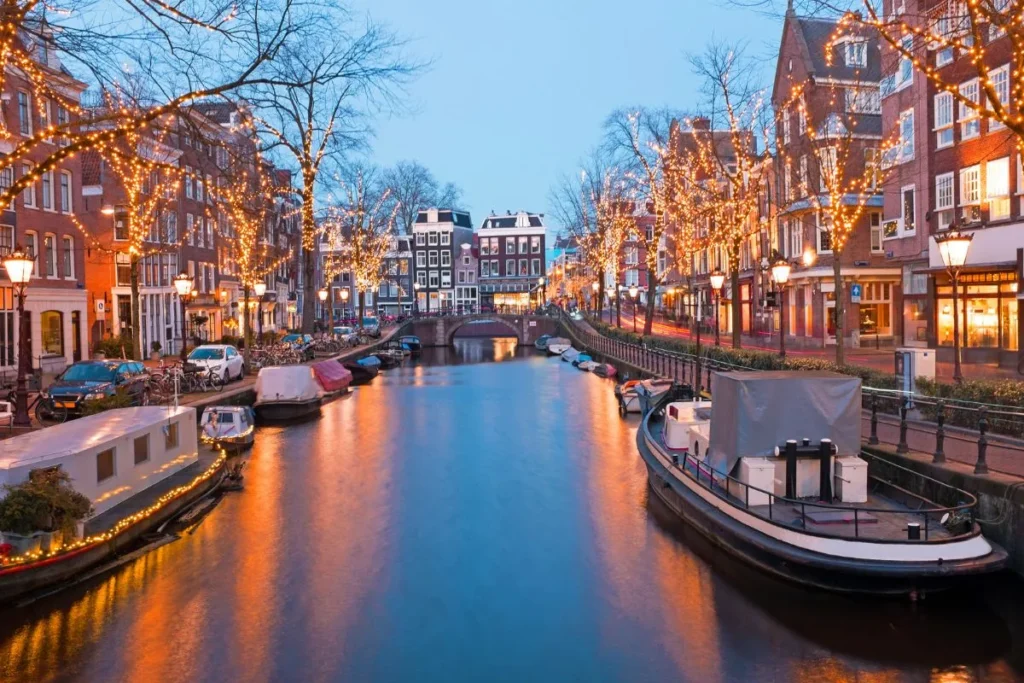
Amsterdam, the capital of the Netherlands, has an almost magical pull on travelers. With its iconic canals, rich cultural heritage, vibrant neighborhoods, and a lifestyle that celebrates freedom and creativity, this city is far more than a postcard-perfect destination. It’s a place where history and modernity live side-by-side, where bicycles outnumber cars, and where every corner tells a story. Whether you’re here for the art museums, the buzzing café culture, or the pure joy of cycling through centuries-old streets, Amsterdam offers a travel experience that feels both exciting and soothing. This guide takes you beyond the clichés, uncovering the city’s must-sees, hidden gems, culinary treasures, and unique personality. 1. The Charm of Amsterdam’s Canals Amsterdam’s canal belt, a UNESCO World Heritage site, is the heart and soul of the city. Built in the 17th century during the Dutch Golden Age, these waterways aren’t just beautiful; they’re a masterpiece of urban planning. Must-do experiences: Tip: Visit in spring when tulips bloom along the canals, making the view even more surreal. 2. Cycling: The Amsterdam Way of Life Amsterdam is often called the bicycle capital of the world, and for good reason. Cycling here isn’t just transport; it’s a cultural identity. Locals commute, shop, date, and even move furniture on bikes. Best cycling routes: Tip: Rent a bike from a local shop instead of tourist-heavy spots; you’ll get better rates and more authentic experiences. 3. Art & Culture: A Museum Lover’s Paradise Amsterdam’s art scene is legendary, boasting some of the world’s most renowned collections. Unmissable museums: Pro Tip: Book tickets online for popular museums to skip long queues, especially in peak tourist seasons. 4. Neighborhood Vibes: From Bohemian to Chic Amsterdam’s neighborhoods each have a distinct personality, and exploring them is half the fun. Highlights: 5. Culinary Delights: More Than Stroopwafels Dutch cuisine may not be globally famous, but Amsterdam’s food scene is a melting pot of flavors. Must-try eats: Best foodie spots: 6. Amsterdam by Night: A Different Energy When the sun sets, Amsterdam transforms. While it’s famous for its Red Light District, the city’s nightlife extends far beyond. Top nightlife picks: 7. Seasonal Magic: When to Visit Amsterdam’s beauty changes with the seasons. 8. Day Trips from Amsterdam The Netherlands is small and well-connected, making day trips easy. Top options: 9. Sustainable Travel in Amsterdam Amsterdam is one of the greenest cities in Europe. From electric public transport to waste-free restaurants, it’s easy to travel responsibly here. Eco-friendly tips: 10. Quick Travel Tips for Amsterdam Final Word: Falling in Love with Amsterdam Amsterdam is more than its postcard images. It’s a city of contrasts, historic yet modern, laid-back yet bustling, traditional yet boldly progressive. Whether you’re sipping coffee by the canals, exploring world-class museums, or riding a bike through a hidden courtyard, the city has a way of making you feel like you belong. One trip here, and you’ll understand why travelers return again and again, not just for the beauty of the place, but for the feeling it leaves you with. Amsterdam doesn’t just invite you to visit; it invites you to live a little differently.
 USA
USA Pune
Pune